Corporate Meeting Catering in London: Inside a Boardroom Lunch
Corporate Meeting Catering in London: Inside a Boardroom Lunch
Inside the Delivery is our behind-the-scenes series exploring the thinking behind real events. Rather than simply showing the finished food, we're sharing why certain menus are chosen, how they're designed and what makes them work in practice.
When people think of corporate catering, they often picture supermarket sandwich platters, crisps and a tray of biscuits sitting in the corner of a meeting room.
Fortunately, corporate catering has moved on.
Today's businesses expect food that reflects the same professionalism they bring to everything else. Whether you're hosting a board meeting, welcoming clients, running a training day or bringing colleagues together for a strategy session, catering has become part of the experience.
But here's something many people don't see.
Long before the first ingredient is prepared, every successful corporate lunch begins with a series of decisions that have very little to do with cooking.
Earlier this week, we delivered lunch for an eight-person board meeting in the City of London.
At first glance, it looked beautifully simple.
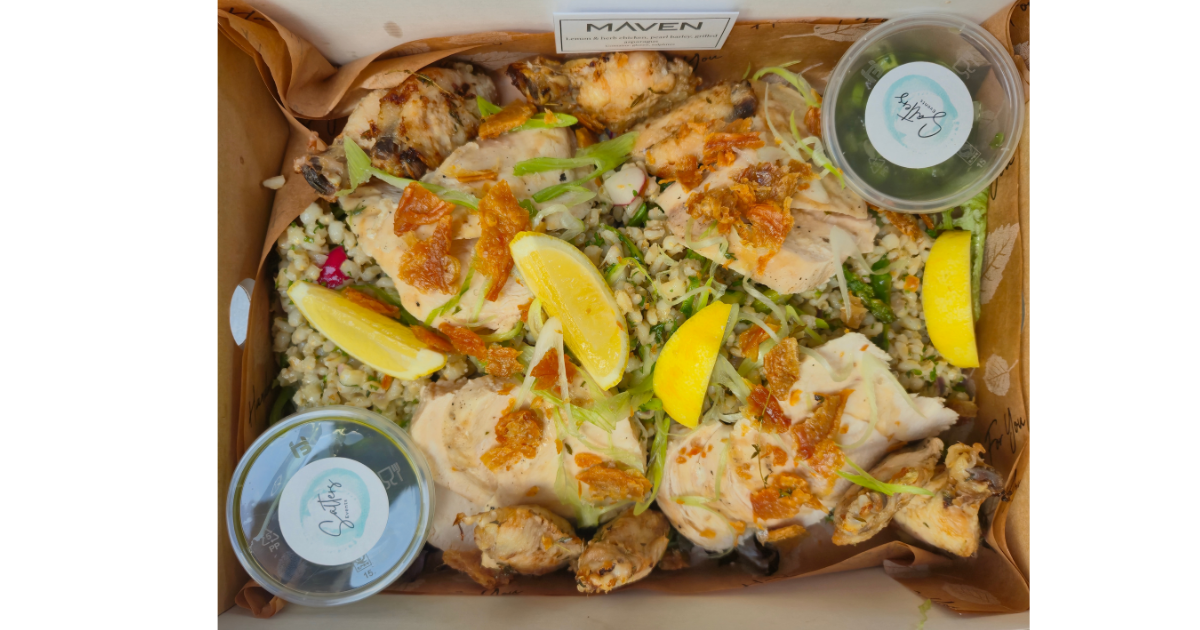
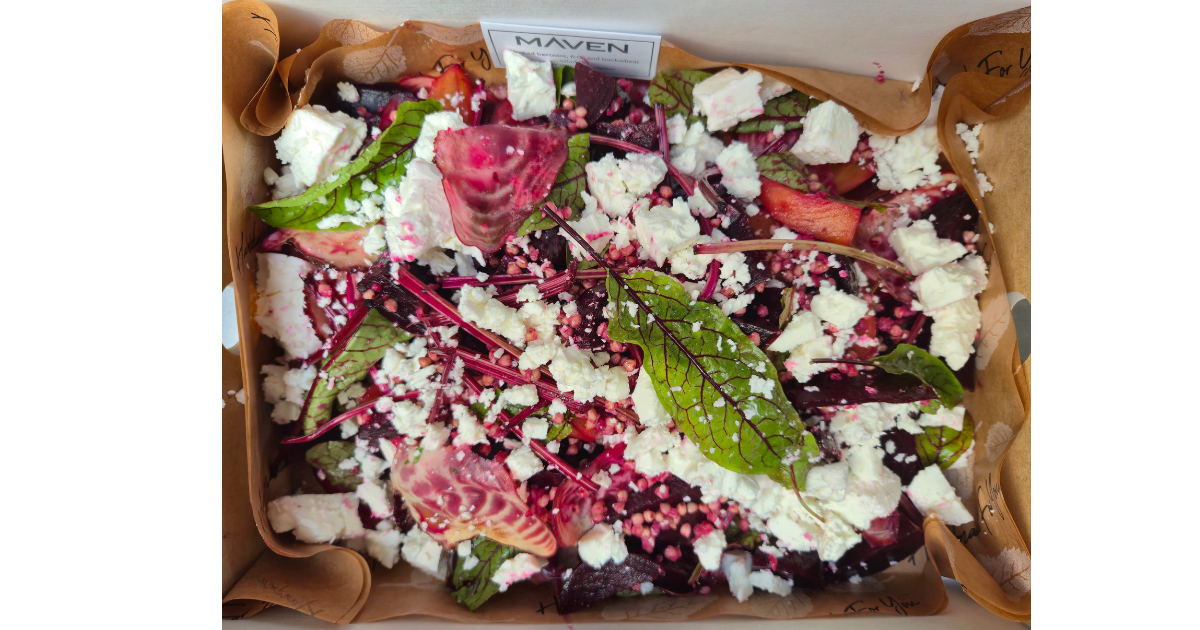
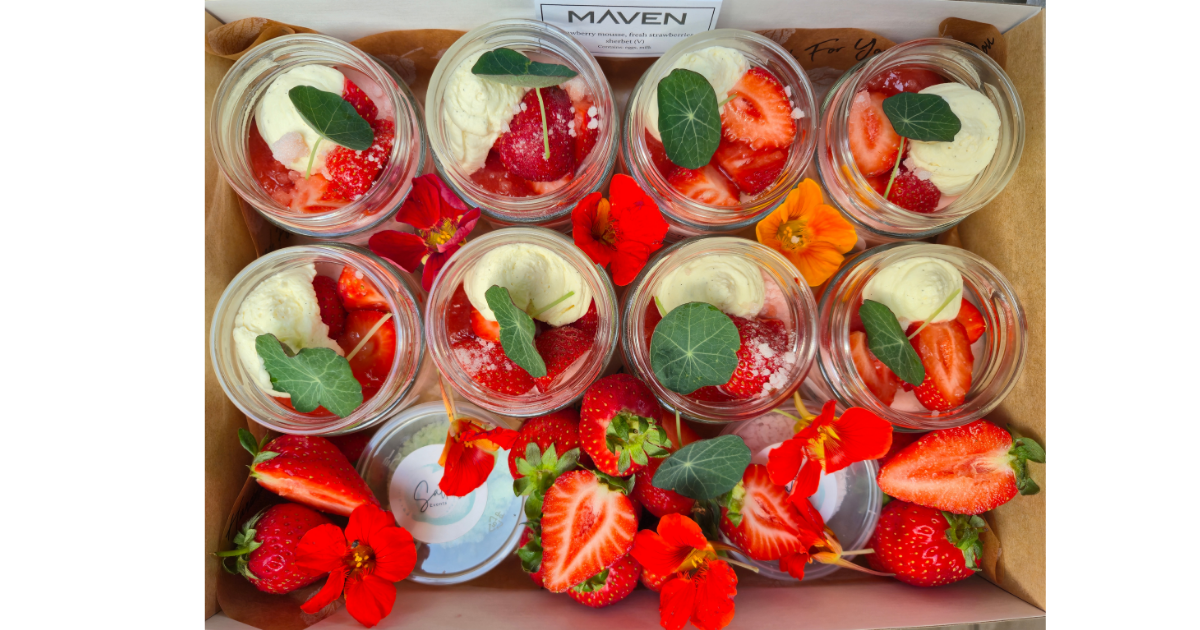
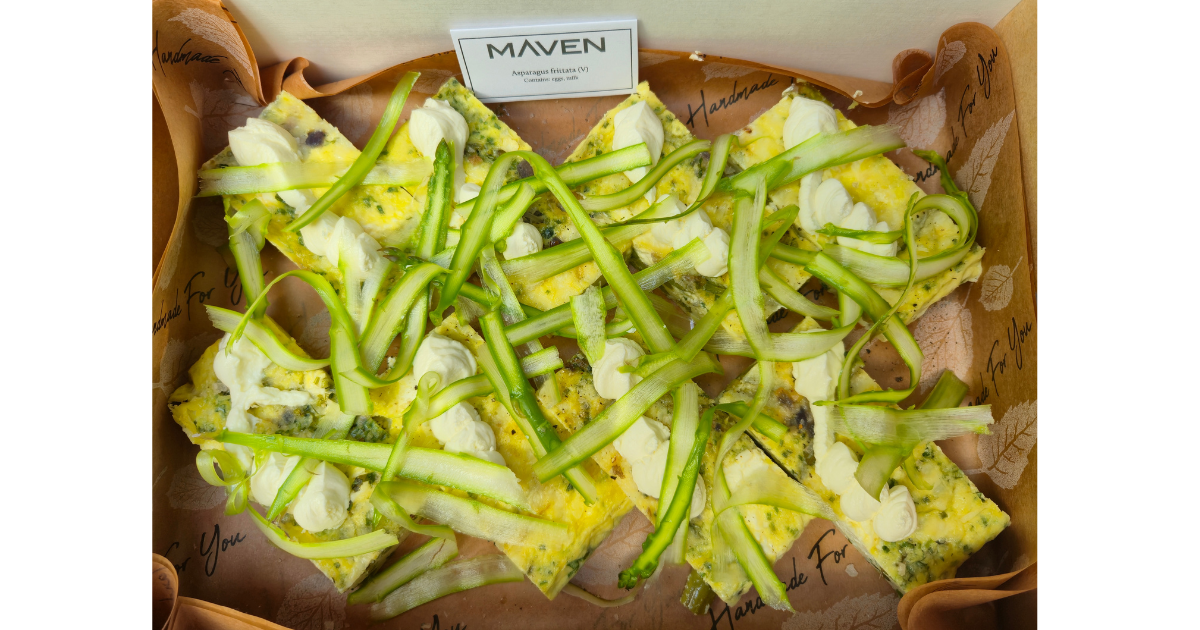
Seasonal salads. Lemon and herb chicken. An asparagus frittata. Fresh bread with herb butter. Strawberry mousse to finish.
Everything arrived ready to enjoy, beautifully presented and requiring almost no effort from the client. One vegetarian guest received a separately prepared meal to ensure they enjoyed exactly the same quality and experience as everyone else.
From the client's perspective, lunch simply arrived on time.
Behind the scenes, every element had already been carefully considered.
Every menu starts with four questions
One of the biggest misconceptions about catering is that chefs begin by asking, "What shall we cook?"
That's rarely where the process starts.
When Ian begins designing a corporate menu, the first questions are usually:
What's in season?
Seasonal ingredients almost always taste better. They're fresher, naturally at their best and often require less intervention to let their flavours shine.
How well will it travel?
Corporate catering isn't served straight from the kitchen. It has to leave ours, travel across London and still arrive looking exactly as intended.
Will it still look and taste exceptional when the lid comes off?
This question influences almost every decision we make.
A dish might taste wonderful immediately after it's cooked, but if it loses its texture, colour or freshness during transport, it's the wrong choice for a working lunch.
Does the menu feel balanced?
People attending a meeting don't usually want a heavy three-course meal in the middle of the working day.
The menu should feel satisfying without being overwhelming, colourful without being fussy, and varied enough that every guest can build a plate they'll genuinely enjoy.
Of course, we also consider dietary requirements, allergies, personal preferences and budget, but those four questions form the foundation of every corporate menu we create.
The most important moment isn't when the food leaves our kitchen
It's when your guests open the box.
That first impression matters.
The food should look fresh.
Colours should feel vibrant.
Salads should still have texture.
Bread should still be soft.
Desserts should still look inviting.
It's one of the reasons we spend so much time thinking about presentation before we ever think about garnishes.
If a client has invited colleagues, investors or prospective customers into their office, the catering becomes an extension of their hospitality.
It doesn't need to be extravagant.
It simply needs to show care.
Why this menu worked
For this particular meeting, we chose a menu that was designed specifically for a professional working environment.
The lemon and herb chicken could be enjoyed at room temperature without compromising flavour.
Pearl barley provided substance without feeling heavy.
Grilled asparagus celebrated the season while adding freshness and colour.
The asparagus frittata gave vegetarian guests a dish that felt every bit as considered as the meat option, rather than an afterthought.
The smoked beetroot, feta and buckwheat salad added contrasting textures and vibrant colour while holding its quality beautifully throughout delivery.
Fresh bread and herb butter completed the meal without adding unnecessary complexity.
Finally, strawberry mousse provided a light finish that felt appropriate for the middle of a working day.
None of these choices happened by accident.
Each one answered those original four questions.
Why shared platters still work brilliantly
One trend we've seen in recent years is the move towards individually packaged lunches.
They certainly have their place, particularly where guests are moving between sessions or individual portions are genuinely the most practical option.
For many board meetings and office lunches, however, thoughtfully presented sharing platters remain one of the best ways to serve food.
They encourage people to pause, help themselves naturally and continue conversations without the formality of a plated meal.
They also allow the food itself to become part of the table, creating a more welcoming atmosphere than rows of identical boxes.
Where individual portions genuinely add value, such as salads or desserts, they can sit comfortably alongside shared platters, offering convenience while maintaining an attractive overall presentation.
The result feels organised, generous and relaxed.
Thoughtful packaging, not excessive packaging
Good packaging should almost go unnoticed.
Its job is to protect the food, make serving straightforward and allow the presentation to speak for itself.
For this delivery, the food travelled in sturdy recyclable platter boxes that could be placed directly onto the meeting table.
Fresh salads were served in compostable plant-based pots, helping to keep ingredients fresh while making serving simple.
Desserts were presented in recyclable glass jars that protected the mousse during transport while providing an elegant finish to the meal.
These choices weren't made because they look attractive on social media.
They were made because they work.
The packaging supports the food, reduces unnecessary handling and allows clients to enjoy a professional presentation without needing serving platters, extra equipment or lengthy setup.
Just as importantly, it reflects our commitment to making practical choices that are mindful of the environment without compromising quality.
Reliability is part of the menu
Ask anyone who's organised a corporate meeting and they'll tell you that timing matters.
Lunch often fits into a carefully planned agenda.
Meetings have limited breaks.
Presentations need to restart on time.
Guests may only have thirty or forty-five minutes before moving on to the next discussion.
Reliable catering isn't simply about arriving within a delivery window.
It's about understanding that the food forms part of a much bigger schedule.
Professional catering should reduce stress, not create it.
That's why we spend just as much time planning logistics as we do designing menus.
Great corporate catering should feel effortless
Ironically, the best corporate catering often attracts the fewest comments.
Not because people don't enjoy it.
Because everything simply works.
The food arrives when expected.
Dietary requirements are clearly catered for.
Presentation feels polished.
Guests help themselves naturally.
The meeting continues exactly as planned.
When all of those things happen seamlessly, catering has done precisely what it should.
It has supported the day without becoming the centre of attention.
Final thoughts
Corporate meeting catering isn't about creating theatre.
It's about understanding the purpose of the day and providing food that supports it.
When the menu is seasonal, balanced and designed specifically for the environment in which it's being served, catering becomes more than just lunch.
It becomes part of your hospitality.
Part of your professionalism.
And part of the impression your guests take away long after the meeting has finished.
Frequently Asked Questions
-
Food that travels well, can be enjoyed comfortably during a meeting and feels fresh rather than heavy is usually the best choice. Seasonal salads, deli lunches, breakfast pastries, fresh fruit and light desserts are all popular options.
-
Yes. We regularly deliver corporate catering throughout London for board meetings, client meetings, training days, networking events, office lunches and conferences.
-
Absolutely. Vegetarian, vegan, gluten-free and other dietary requirements can all be accommodated when provided in advance. We believe every guest should enjoy a meal that's been given the same care and attention as every other dish.
-
Not usually. Many board meetings are perfectly suited to professionally presented drop-off catering, allowing guests to help themselves while continuing their discussions.
-
No. Every menu is bespoke. Depending on your meeting, we can provide breakfast catering, deli lunches, seasonal salads, grazing options, afternoon tea, canapés or other menus designed around your event.
-
The earlier you enquire, the greater the flexibility we have when planning your menu. However, if you have a last-minute meeting, it's always worth getting in touch as we'll do our best to help where we can.
Planning a corporate meeting in London?
Whether you're organising a board meeting, a client presentation, a training day or a working lunch, we'd be delighted to help.
Every menu we create is bespoke, thoughtfully designed around your guests, your schedule and your objectives, because great corporate catering starts long before the food leaves the kitchen.