What Your Caterer Needs From Your Venue | London Event Catering Guide
What Your Caterer Needs From Your Venue | London Event Catering Guide
Planning an event often starts with finding the perfect venue. The views are beautiful, the décor is stylish, and the location is convenient. But long before your guests arrive, there is another important question to answer:
Can the venue realistically support the style of catering you want?
At Salters Events, we cater across London, Kent, Surrey and Sussex in everything from modern office spaces and galleries to marquees, private homes and historic buildings. Some venues are wonderfully straightforward to work in. Others require significant planning behind the scenes to ensure service runs smoothly.
The good news is that almost any venue can work with the right preparation. The key is understanding what your caterer actually needs before the event day arrives.
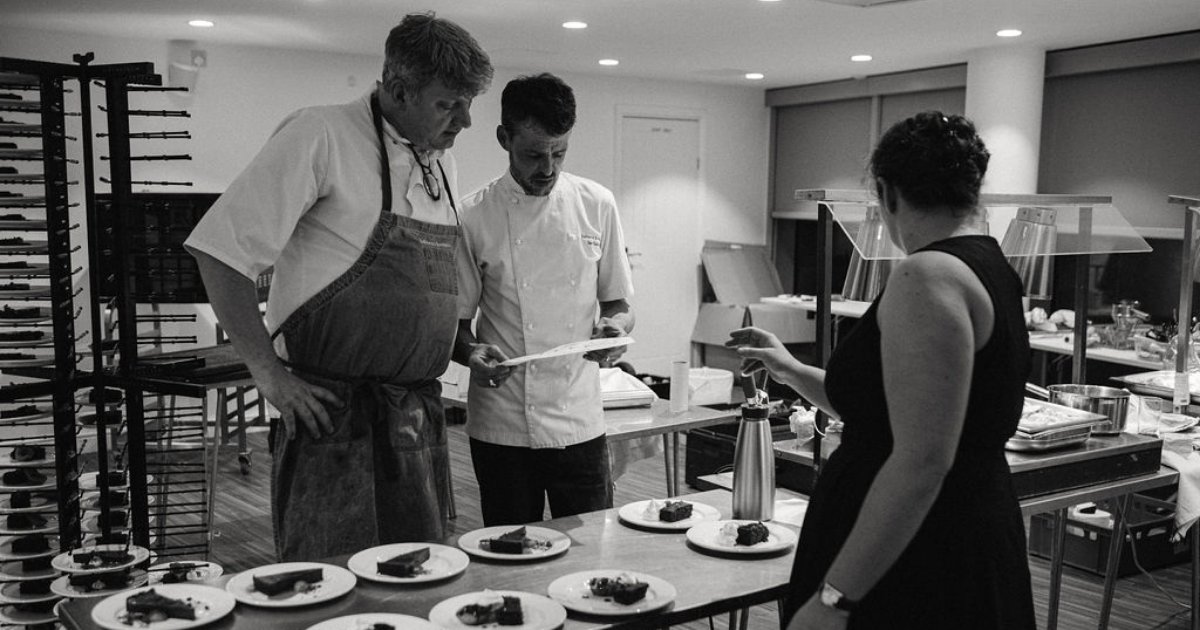
Not Every Venue Has a Kitchen
One of the biggest misconceptions in event planning is that every venue includes a fully functioning kitchen.
In reality, many London venues either:
have no kitchen at all
have limited pantry space only
restrict access to certain equipment
do not allow external caterers to use their facilities
This is especially common in:
office buildings
gallery spaces
museums
rooftop venues
marquees
dry hire venues
heritage properties
A caterer can often work around these limitations, but it changes the logistics significantly.
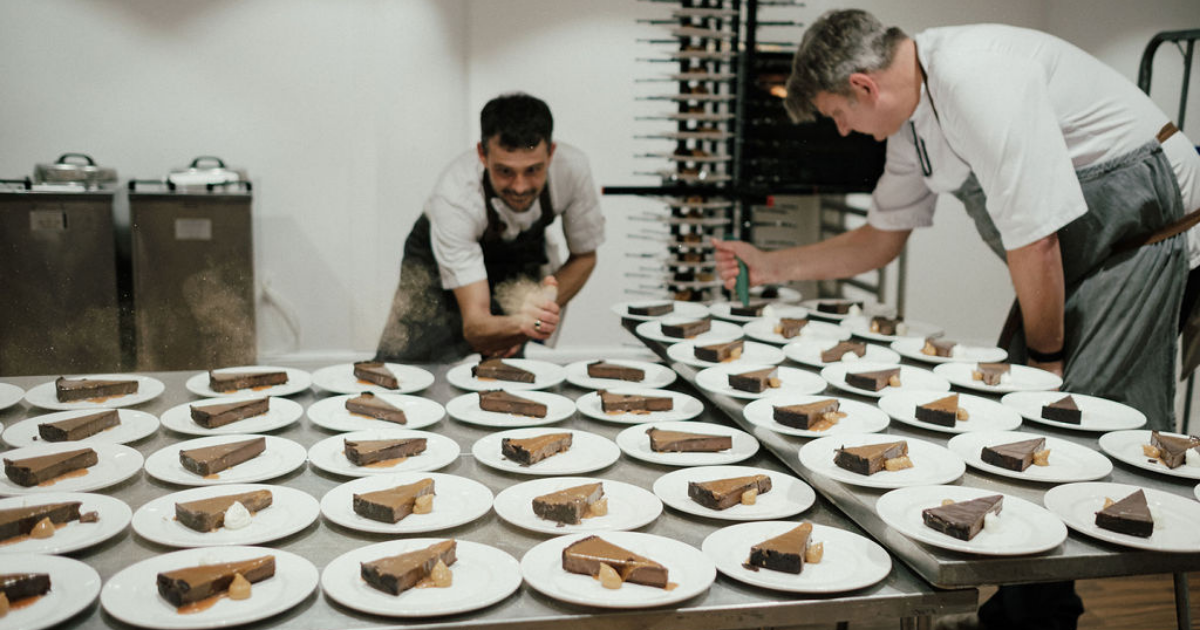
For example, serving a cold fork buffet in an office meeting space is very different from producing a fully plated three-course dinner for 120 guests in a marquee field with no running water or power supply.
This is one reason why detailed venue information is so important when requesting a catering proposal.
If you are still comparing service styles, our blog on Drop-Off vs Serviced Catering in London explains the differences in more detail.
Access Times Matter More Than Most People Realise
A beautifully designed venue is not always an easy venue to cater in.
One of the first questions professional caterers ask is:
“When can we access the space?”
That is because event catering involves far more than simply arriving with food.
Depending on the event, your caterer may need time to:
unload equipment
transport food through lifts or stairwells
set tables
prepare service stations
chill drinks
finish dishes onsite
brief staff
style food displays
set up kitchens or prep areas
In central London especially, loading restrictions can create major logistical challenges. Some buildings prohibit supplier access during office hours. Others have strict security procedures or limited lift access.
If a venue only allows access 30 minutes before guests arrive, this can dramatically affect what is possible from a catering perspective.
Power Supply Is Essential
Many clients are surprised by how much power catering equipment requires.
Hot food service often relies on:
ovens
induction hobs
hot holding equipment
water boilers
coffee machines
refrigeration
lighting for service stations
In venues without sufficient electrical supply, caterers may need to bring additional equipment or adapt the menu accordingly.
This is particularly relevant for:
marquee weddings
outdoor events
garden parties
temporary event structures
warehouse spaces
Even something as simple as a coffee station can require more power planning than clients expect.

Refrigeration Is Often Overlooked
Cold storage is one of the most important parts of food safety and event preparation.
Professional caterers need somewhere appropriate to store:
dairy products
desserts
prepared dishes
fresh produce
drinks
garnishes
seafood
meat products
In some venues, refrigeration space is extremely limited or shared between multiple suppliers.
If there is no refrigeration available, your caterer may need to:
arrange additional chilled transport
hire refrigeration units
stagger deliveries more carefully
simplify the menu
This is one reason why certain styles of catering are easier to execute in some venues than others.
For example, a canapé reception may be far more practical than a hot plated dinner in a venue with no refrigeration or kitchen infrastructure.
If you are considering different food formats for an event, our guide to Bowl Food vs Canapés for Corporate Events may also help.
Water Access and Washing Facilities
Professional catering requires proper hygiene procedures.
Depending on the event setup, caterers may need access to:
running water
handwashing facilities
waste disposal
drainage
cleaning areas
For temporary event spaces or marquees, external catering teams may need to bring:
portable hand wash stations
bottled water systems
waste collection solutions
This is rarely something clients think about initially, but it becomes essential operationally.
Space for Staff and Service
Even smaller events require space for staff to work efficiently behind the scenes.
Catering teams often need areas for:
food preparation
tray assembly
clearing stations
staff breaks
equipment storage
rubbish management
Without enough operational space, service can quickly become difficult, particularly during busy reception periods.
This is one reason experienced caterers sometimes recommend adjusting a menu or service style based on venue limitations.
It is not about making the event “easier” for the caterer. It is about ensuring the guest experience remains smooth, polished and professional.
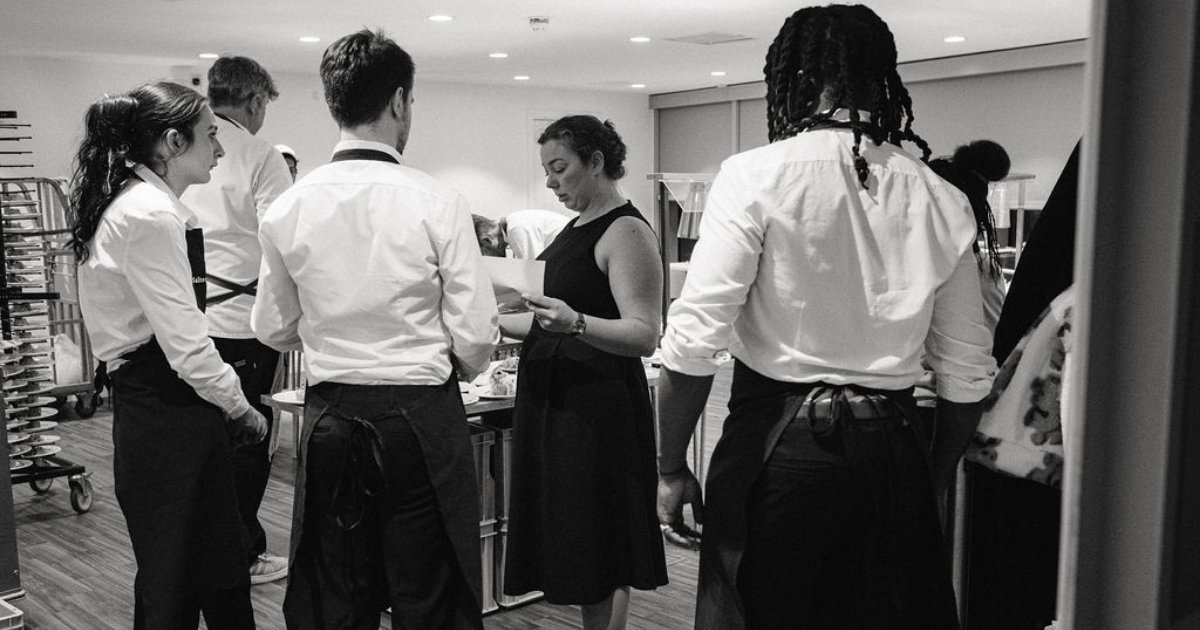
Deliveries and Collections Are Part of the Planning
Event logistics do not end once guests leave.
Many London venues have strict collection windows, noise restrictions or overnight storage limitations. This can affect:
equipment hire
glassware
crockery
furniture
linen
catering equipment
Some venues require everything to leave onsite immediately after the event, even late at night.
Others only permit supplier collections at certain times or days.
This is one of the reasons why catering quotes can vary significantly between venues, even for similar guest numbers.
If you are currently budgeting for an event, our guide on How Much Corporate Catering Costs in London explains some of the hidden factors that influence pricing.
Why Caterers Ask So Many Questions
Sometimes clients worry they are being overwhelmed with operational questions during the enquiry stage.
In reality, these questions are designed to prevent problems later.
Understanding the venue properly helps caterers:
recommend suitable menus
avoid unrealistic expectations
build accurate staffing plans
reduce delays
improve service flow
maintain food quality
minimise unexpected costs
It also allows your caterer to suggest practical alternatives when needed.
For example:
recommending bowl food instead of plated service
adjusting timings for smoother kitchen access
simplifying service where space is restricted
bringing additional equipment in advance
The more information shared early on, the smoother the event usually becomes.
Almost Any Venue Can Work With The Right Planning
One of the benefits of working with an experienced catering team is flexibility.
We have catered in:
office boardrooms
marquees
listed buildings
blank canvas venues
private gardens
museums
galleries
rooftops
venues with no kitchens at all
The key is simply planning properly from the beginning.
A beautiful venue should support the experience you want to create, not limit it.
With realistic logistics, clear communication and the right catering approach, even challenging spaces can become exceptional event venues.
Planning an Event in London?
If you are currently comparing venues or planning a corporate event, wedding or private celebration, we are always happy to advise on what is realistically possible within your space.
Whether your venue has a full commercial kitchen or no catering facilities at all, we can help you understand the practical requirements before you commit.
Explore our catering services at Salters Events or contact us to discuss your event.
Frequently asked questions
-
Not always. Many experienced caterers can work in venues without kitchens, although additional equipment, staffing or preparation may be required depending on the menu and guest numbers.
-
Yes. Office catering is extremely common in London, particularly for meetings, networking events and corporate receptions. Access times, lift access and preparation space are often the most important considerations.
-
Your caterer may bring additional refrigerated transport or hire temporary refrigeration equipment depending on the style of event and menu requirements.
-
Hot food service equipment, coffee machines and refrigeration all require sufficient electrical capacity. Limited power can affect what is possible onsite.
-
Yes, although marquee and outdoor events often require additional infrastructure such as ovens, hand wash stations, refrigeration and power supply.
-
Restricted access times, difficult loading areas and late-night collections can increase staffing requirements and logistics costs for the event.
-
No. Some venues have approved supplier lists or restrictions on kitchen access. It is always worth checking this before booking your caterer.