Wild Garlic: How to Use It, Cook It and Make the Most of the Season
Wild Garlic: A Seasonal Ingredient Worth Seeking Out
Every spring, there’s a moment when the landscape quietly shifts.
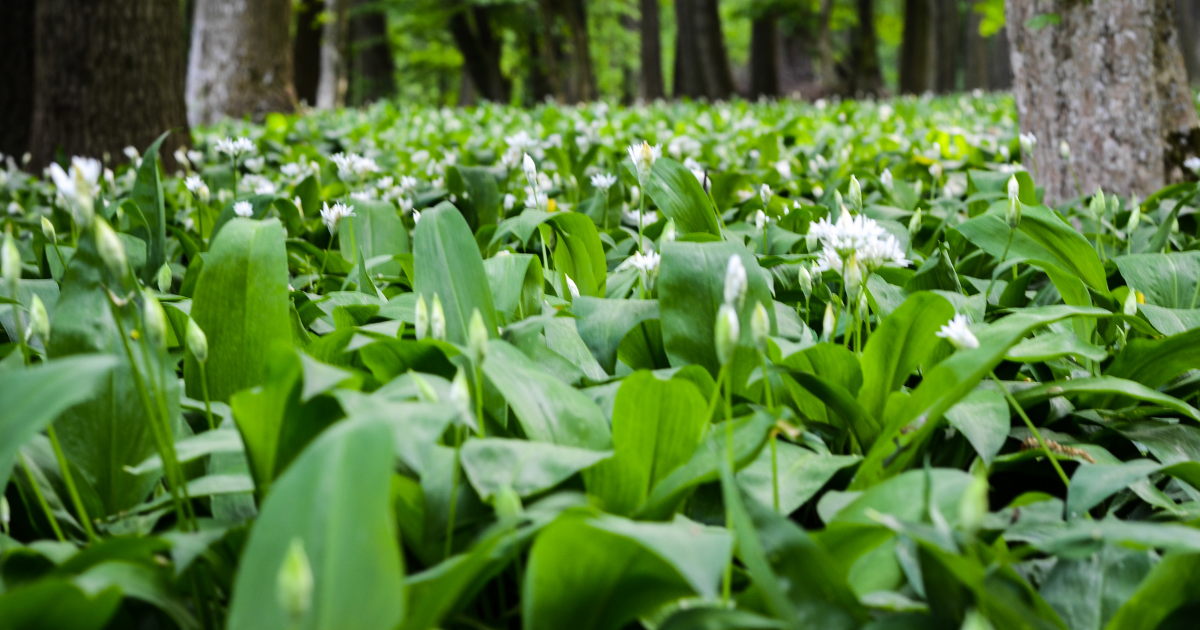
Woodlands soften, the air carries a faint warmth, and if you know where to look, the ground is suddenly carpeted in bright green leaves with the unmistakable scent of garlic.
Wild garlic season has arrived.
For chefs, home cooks, and anyone who values seasonal food, it’s one of the most exciting ingredients of the year. Fleeting, versatile, and deeply tied to the British countryside, wild garlic feels like a reminder to cook differently for a while. More simply. More instinctively. More in tune with what’s around us.
What is wild garlic?
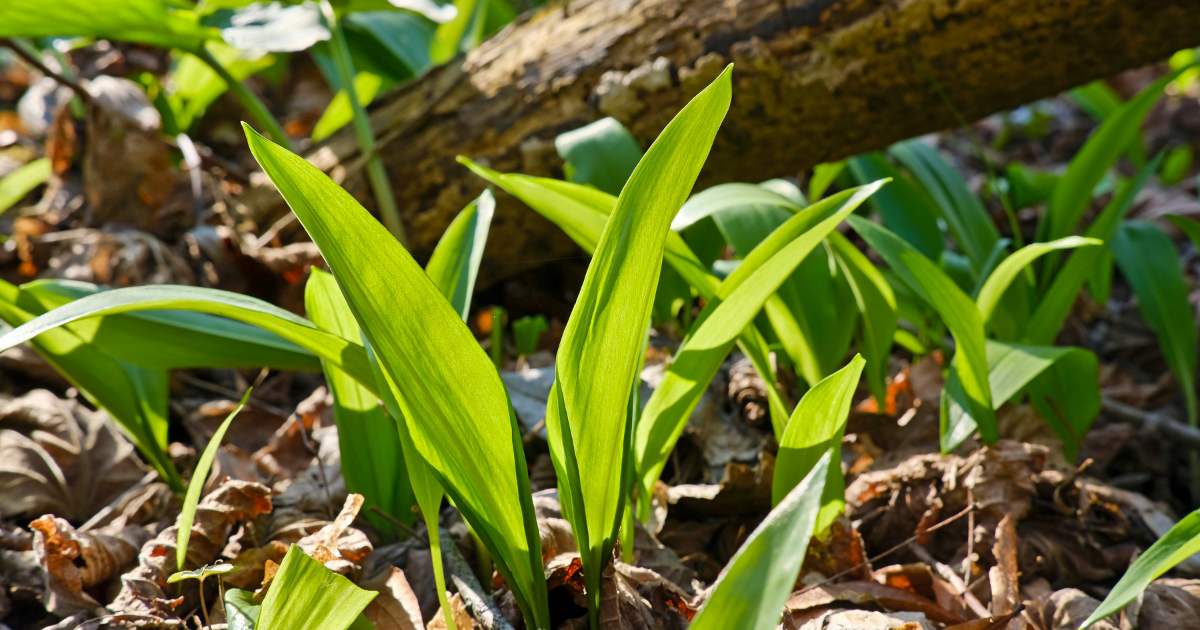
Wild garlic, also known as ramsons, is a leafy green plant found across the UK in damp woodlands and shaded areas. It has a gentle, fresh garlic flavour that’s softer and more rounded than the bulb variety you’d find in a supermarket.
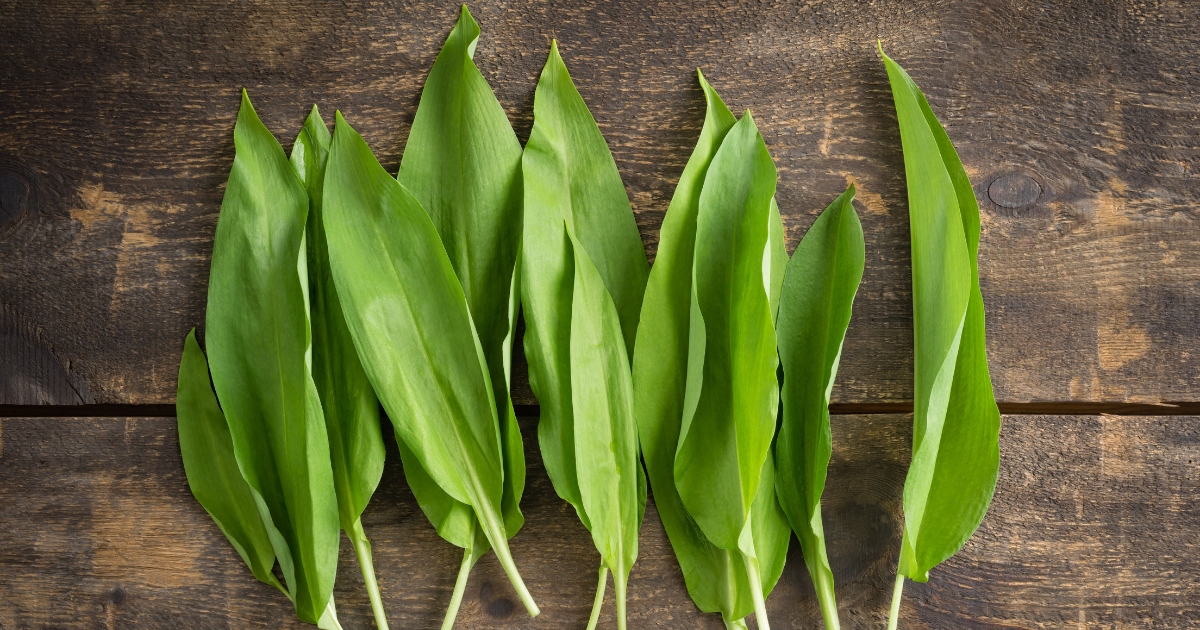
The leaves are smooth and pointed, and as the season progresses, small white star-shaped flowers appear, which are also edible and often used for garnishing.
Unlike traditional garlic, it’s not about intensity. It’s about freshness. Subtlety. A quiet depth of flavour that lifts dishes rather than overpowering them.
When is wild garlic in season?
Wild garlic has a short but generous season in the UK, typically appearing from February through to May, depending on the weather.
The leaves are at their best in early spring, when they’re young and tender. As the plant matures, the flavour becomes stronger and the texture slightly tougher.
By late April and May, the flowers emerge, offering a more delicate flavour and a beautiful way to finish dishes.
It’s a fleeting window. And that’s part of its appeal.
Why chefs love wild garlic
There’s a reason wild garlic appears on so many restaurant menus at this time of year.
It delivers flavour without heaviness. It brings colour, freshness, and a sense of seasonality that feels immediate and real.
It also works across a surprising range of dishes. From simple, rustic cooking to refined plates, wild garlic adapts effortlessly.
You’ll often see it used in:
Pesto and sauces
Fresh pasta and risotto
Soups and broths
Butters and oils
Salads and garnishes
Its versatility is one of its greatest strengths. It can be the hero of a dish or a subtle supporting ingredient, depending on how it’s used.
A note on flavour
If you haven’t cooked with wild garlic before, the easiest way to think of it is somewhere between garlic, chives, and spinach.
It has that familiar garlicky note, but it’s softer, greener, and far less aggressive. When cooked, it becomes even more delicate, which makes it ideal for dishes where you want flavour without overpowering everything else.
It’s also incredibly forgiving. You can fold it through dishes much like spinach, or use it raw for a brighter, fresher finish.
Nutritional benefits
Beyond its flavour, wild garlic is also packed with nutrients.
It contains vitamins A and C, along with minerals such as iron and magnesium, making it a genuinely nourishing addition to spring cooking.
Like other alliums, it also contains natural compounds with antioxidant and anti-inflammatory properties, which are thought to support overall health and immunity.
It’s not why we reach for it first, but it’s certainly a welcome bonus.
Cooking with wild garlic
Wild garlic doesn’t need complicated techniques. In fact, it’s often best when handled simply.
A handful of leaves can transform a dish.
Here are a few ways we love to use it:
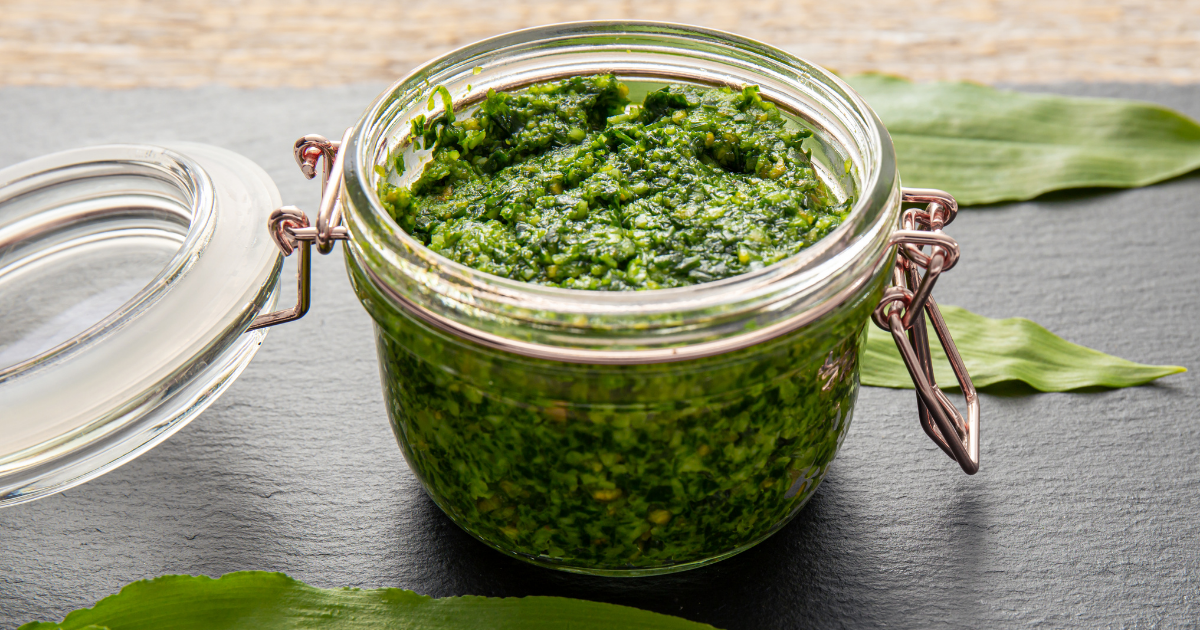
Wild garlic pesto
A classic for a reason. Blended with good olive oil, nuts, and cheese, it creates a vibrant, intensely green sauce that works with pasta, grilled vegetables, or simply spread over warm bread.
Folded through warm dishes
Stir it through risottos, pastas, or lentils right at the end of cooking, allowing it to wilt gently and retain its colour and freshness.
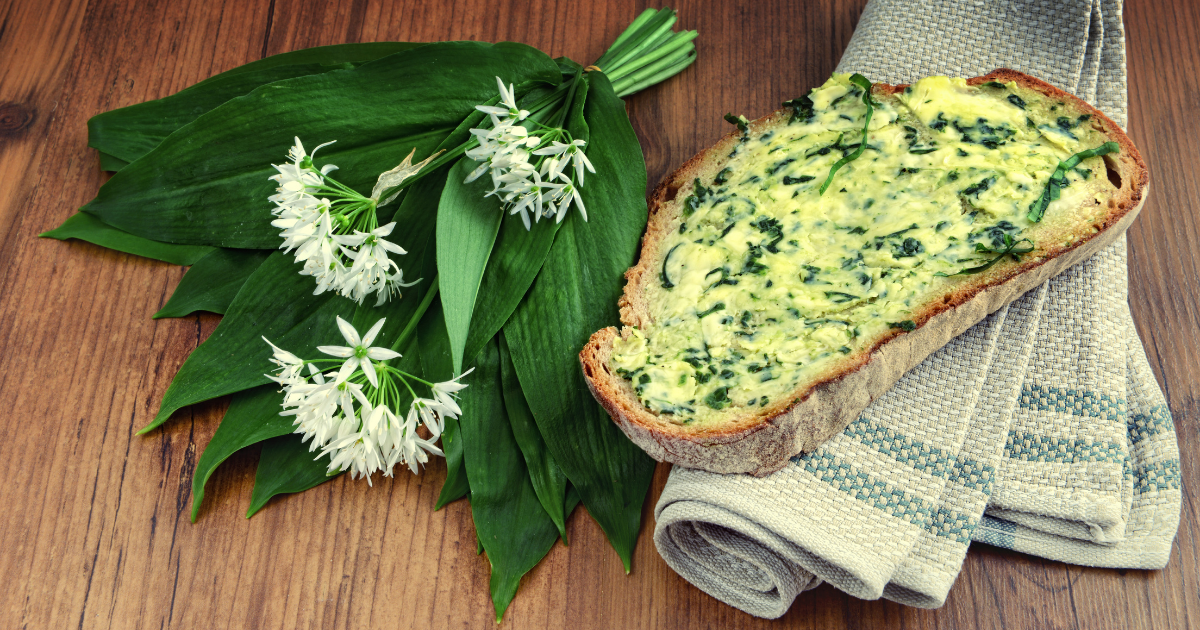
Wild garlic butter
Finely chop and mix with softened butter, lemon zest, and a pinch of salt. Perfect for finishing meats, vegetables, or fresh bread.
Soups and broths
Add towards the end of cooking for a fresh, herbal lift that cuts through richer flavours.
As a garnish
The flowers, in particular, bring both flavour and visual impact. A simple but effective way to elevate a dish.
Foraging, thoughtfully
One of the joys of wild garlic is that it’s widely available in the UK countryside. It grows abundantly in woodlands and along riverbanks, often in large, fragrant patches.
If you do choose to forage, it’s important to do so responsibly:
Only pick what you need
Avoid uprooting the plant
Leave plenty behind for others and for regrowth
And if you’re unsure, always err on the side of caution. Proper identification is essential when foraging.
Why seasonal ingredients matter
Wild garlic isn’t just an ingredient. It’s a reminder.
A reminder that food doesn’t need to be available all the time to be valuable. In fact, the opposite is often true.
When something is only here for a short time, we pay more attention to it. We cook it differently. We appreciate it more.
That’s what makes wild garlic special.
It asks you to notice the season you’re in, and to cook accordingly.
And for us, that’s always where the best food begins.