Wedding Catering Explained: What Couples Should Know Before Booking
What Wedding Catering Really Involves (And What Most Couples Are Glad They Asked About Early)
When you start planning your wedding, catering is often one of the first big decisions you make. You look at menus, think about what you love to eat, and imagine your guests sitting down together on the day.
That is exactly how it should begin.
What many couples don’t realise at this stage is that wedding catering is about far more than the food itself. Understanding a few key things early on can make the planning process calmer, clearer, and help you avoid last-minute surprises later.
This is not about making things complicated. It is about knowing what questions to ask, and choosing suppliers who guide you through them.
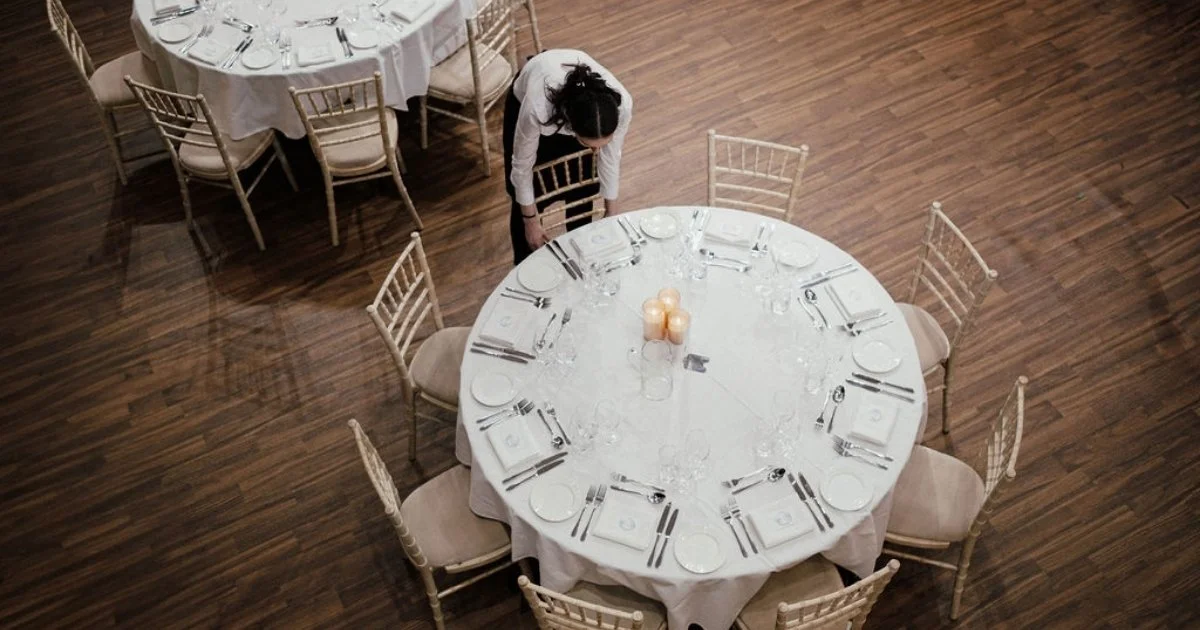
Wedding catering is about how the whole day flows, not just the meal
Unlike a restaurant booking, a wedding day does not run to a fixed timetable. Ceremonies can overrun, guests arrive gradually, speeches take longer than expected, and weather can change plans.
From a couple’s point of view, this is completely normal.
An experienced wedding caterer plans for this from the start. They think about:
When guests will realistically arrive, not just what the schedule says
How long drinks and canapés need to last
How the meal fits around speeches and photos
How to adjust smoothly if timings shift
This is why experienced caterers ask about your full day, not just what you want to eat.
Your venue has a bigger impact than most couples expect
One of the most common surprises for couples is how much the venue influences wedding catering.
Some venues have fully equipped kitchens and provide tables, chairs, linen, crockery, cutlery and glassware. Others are beautiful blank canvas spaces, historic buildings, museums, galleries or private homes with very limited facilities.
If your venue does not provide these items, your caterer may need to arrange:
Temporary kitchen equipment
Chilled and hot food storage
Tables, chairs and linen
Crockery, cutlery and glassware
Many venues also have specific restrictions. Museums and galleries, for example, often limit certain foods because of staining risks. Others require all hire equipment to be delivered and collected on the same day, which affects access times and logistics.
This is not a problem when it is discussed early. It only becomes stressful when it is discovered late.

Different food styles create different experiences (and different needs)
Couples often choose a menu style based on what sounds most appealing, which makes sense. What is less obvious is how different styles affect the flow of the day.
For example:
A seated meal creates a clear pause in the day and brings everyone together
Canapés encourage movement and conversation
Food stations create theatre and choice, but require dedicated staff to run them smoothly
Food stations, in particular, are something couples are often drawn to visually. They work best when they are properly staffed so queues do not form and guests are served promptly.
This is why a good caterer will talk through how a menu will feel on the day, not just what it includes.
Staffing is one of the things couples are most relieved they didn’t underestimate
On the day itself, your catering team is doing far more than serving food.
They are:
Guiding guests quietly without being intrusive
Managing dietary requirements discreetly
Coordinating with the venue, photographer and planner
Adjusting service pace if timings change
Solving small problems before you ever hear about them
From a couple’s point of view, this usually looks effortless. That is intentional.
Having the right number of experienced staff means you are not being asked questions mid-day, and your guests feel looked after without feeling managed.

Feeding your suppliers is something worth planning early
One detail that often catches couples by surprise is supplier meals.
If you have a photographer, videographer, planner, band, DJ or other suppliers onsite for an extended period, it is very common for their contracts to include a requirement for a meal to be provided.
This is not about formality. It is about practicality and fairness. These suppliers are usually working long hours and need to eat at some point during the day.
Your caterer will normally ask about this early, including:
Which suppliers require a meal
How many meals are needed
When those meals should be served so they do not clash with key moments
Planning this in advance avoids awkward conversations on the day and ensures everyone can continue doing their job properly.
Much of the work happens long before the wedding day
One of the reasons weddings feel calm on the day is because of the time spent planning beforehand.
For most couples, this shows up as:
Helpful emails
Clear answers to questions
Zoom meetings or phone calls
Venue visits
Guidance when decisions feel overwhelming
Behind the scenes, this planning ensures that everyone involved knows what is happening, when it is happening, and how it will be delivered.
When this work is done well, couples often say they felt supported rather than left to work things out on their own.
Deciding who your caterer should liaise with on the day
Another small but important decision is identifying an on-the-day point of contact.
On your wedding day, you should not be fielding questions about timings, access or logistics. That is not your job.
Instead, your caterer will usually ask for one named person they can speak to if any last-minute clarification is needed. This is most often:
Your wedding planner, if you have one
A trusted family member
A close friend who understands the plan
If this person is part of the wedding party, it is worth remembering that they may be unavailable at key moments, such as during the ceremony or photographs. Choosing someone who is present but not pulled in multiple directions can make a real difference.
Having a clear point of contact allows issues to be resolved quietly and quickly, without involving you or disrupting the flow of the day.

Experience matters most when plans change slightly
Almost every wedding includes a moment where something does not go exactly to plan. A delayed ceremony, a speech that runs long, or a sudden weather change.
What matters is not that this happens, but how your suppliers respond.
Experienced wedding caterers know how to:
Adjust service without drawing attention
Keep food at the right quality and temperature
Communicate calmly with venues and planners
Keep you focused on enjoying your day
For couples, this often means you only realise afterwards that anything changed at all.
Choosing a wedding caterer is about trust as much as taste
Of course the food matters. But wedding catering is also about how supported you feel throughout the process.
The right caterer will:
Explain things clearly
Flag potential challenges early
Offer solutions rather than problems
Take responsibility for their role on the day
When this happens, couples can relax, knowing the details are being handled.
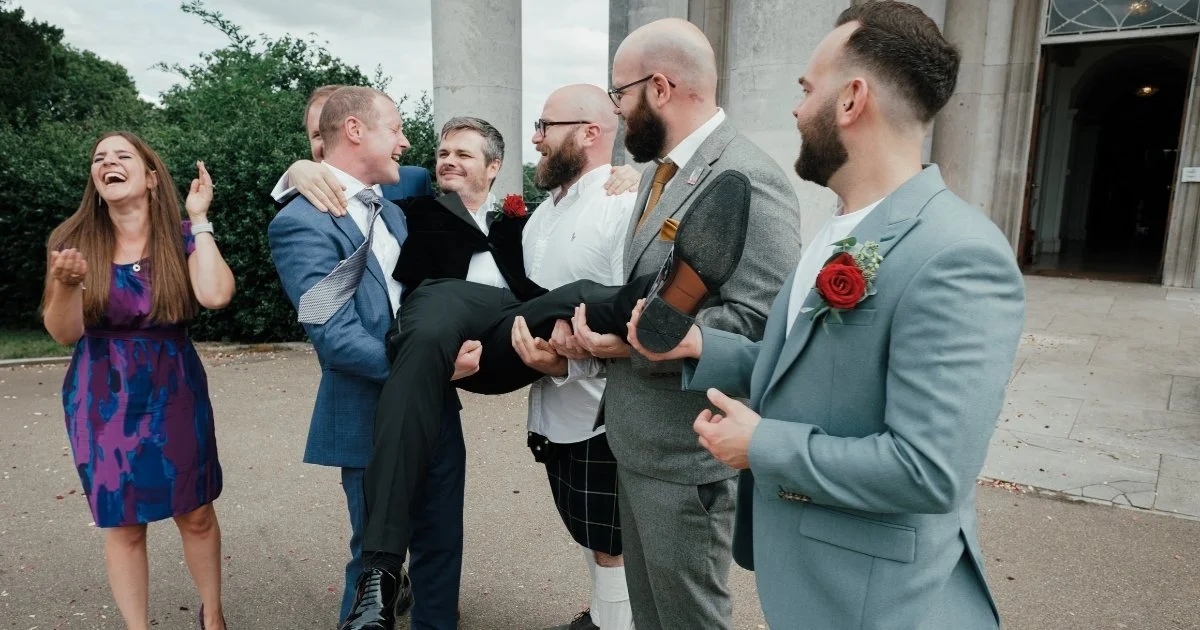
A final thought for couples planning their wedding
If you are currently researching wedding catering, it can be helpful to look beyond menus alone.
Ask about:
Your venue and its facilities
How different menu styles affect the day
How staffing is structured
How changes are handled on the day
These conversations are not about making things complicated. They are about making sure your wedding day feels exactly as it should.
Calm, joyful, and well cared for.