Planning Your First Corporate Event in London? A Practical Catering Guide
Planning Your First Corporate Event in London? A Practical Catering Guide
Planning your first corporate event can feel like a lot.
You’re likely juggling timelines, guest expectations, dietary requirements, and internal pressure to get everything “right”. Whether it’s a client event, team lunch, or office gathering, the goal is the same: it needs to run smoothly, feel considered, and reflect well on your company.
The good news is that it doesn’t need to be complicated.
This guide covers what actually matters, what to prioritise, and how to avoid the common mistakes that can quietly derail an event.
If you’re already exploring options, you can view our full range of corporate catering here.

What Actually Matters (And What Doesn’t)
When you’re new to event planning, it’s easy to focus on the wrong things.
You might worry about:
Having the perfect menu
Impressing every guest
Getting every small detail exactly right
In reality, the events that work best are the ones that feel:
Well organised
Easy to navigate
Thoughtfully planned
Good food is important. But timing, flow, and clarity matter just as much.
Start With These 5 Questions
Before speaking to any caterer, get clear on the basics. This will save time and lead to far more accurate quotes.
1. What is the purpose of the event?
A working lunch, networking event, and client reception all require different approaches.
2. How many guests are you expecting?
Even a rough estimate helps shape the menu and service style.
3. What is the timing?
Guests expect something very different at 12pm compared to 6pm.
4. What facilities does the venue have?
Kitchen access, lifts, power supply, and loading access all matter more than most people expect.
5. What level of service do you need?
Do you need simple delivery, or chefs and front of house staff to manage everything?
A good caterer will guide you through this, but having clarity upfront puts you in control.
Choosing the Right Catering Style
The style of catering shapes the entire feel of your event.
Sandwich & Deli Lunches
A reliable option for shorter meetings or working lunches. The difference is in quality and balance. Fresh bread, well-considered fillings, and proper sides make all the difference.
Finger & Fork Buffets
Buffets work well when guests have time to move, eat, and interact.
Finger buffets are lighter and more informal
Fork buffets offer a more complete meal without formal service
Bowl Food
A strong option for networking events. Guests can eat properly without needing to sit down, and the food feels more refined than standard buffet options.
Canapés
Best suited to drinks receptions or shorter events. These should be easy to eat in one or two bites and served consistently throughout the event.
Fully Serviced Events
For more formal occasions, this includes chefs, front of house staff, and plated service. This creates a more structured, high-impact experience, particularly for client-facing events.
How Much Food Do You Actually Need?
This is one of the biggest concerns for first-time organisers.
As a general guide:
Working lunch (around 1 hour): lighter, easy-to-eat options
Evening event (2 to 3 hours): more substantial food or continuous service
Networking events: food should be easy to eat while standing
For example:
40 guests at a 2-hour evening event may need 6 to 9 canapés per person
A more substantial event may be better suited to bowl food or a fork buffet
Ordering too little is noticeable. Ordering too much creates waste.
A good caterer will guide you to the right balance based on your event.
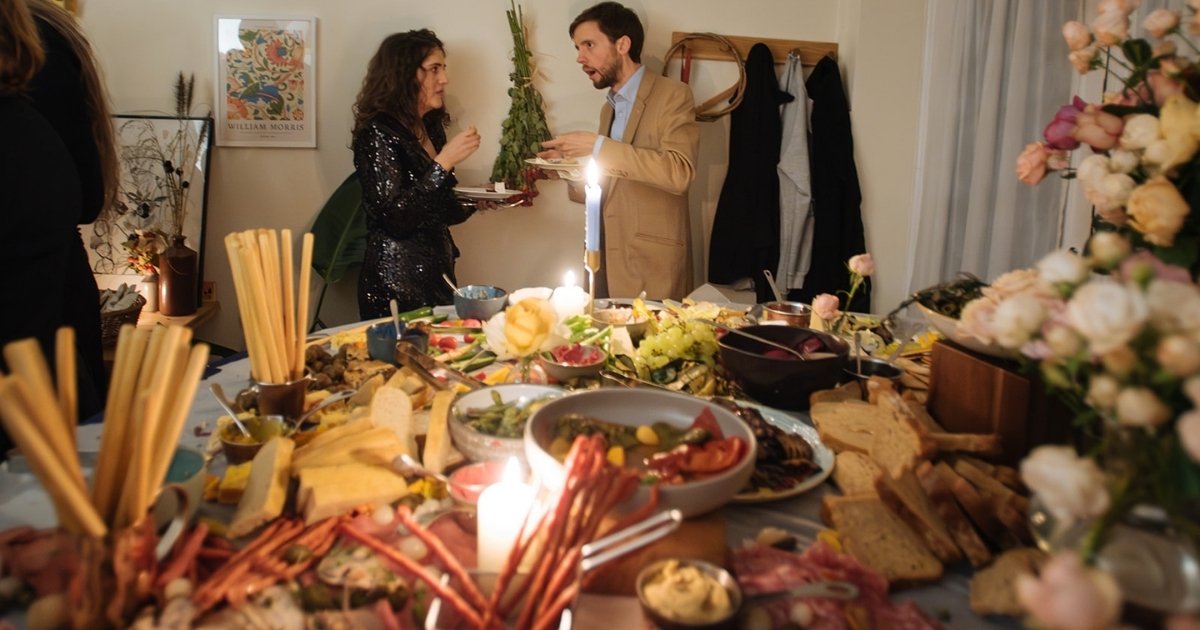
If Your Venue Doesn’t Have a Kitchen (Most Don’t)
Many London venues and offices don’t have proper kitchen facilities.
This doesn’t limit your options, but it does shape what will work best.
For example:
Hot drop-off catering is rarely reliable without proper holding equipment
Cold or room-temperature menus often produce better results
Some events benefit from chefs on-site, even in temporary kitchen setups
At Salters Events, we regularly work in venues without kitchens, building temporary setups where needed to deliver the same level of quality you’d expect in a fully equipped space.
The Mistakes That Actually Ruin Corporate Events
These are the issues that genuinely cause problems, not just minor inconveniences.
1. Food that doesn’t match the format
A menu that works on paper may not work in practice, especially if guests are standing.
2. Not ordering enough food
This is more common than you’d think, and it’s always noticed.
3. Assuming the venue will have everything
Most venues don’t provide catering equipment, staff, or service support.
4. Leaving catering until last
This limits your options and often leads to compromise.
When Drop-Off Catering Works (And When It Doesn’t)
Drop-off catering can be a great option, but only in the right context.
It works well for:
Office lunches
Shorter, informal events
Simple catering requirements
It’s less suited to:
Events where timing is critical
Guest-facing or high-profile occasions
Events where presentation and service matter
In these cases, a serviced event with staff usually creates a much better experience.

What a Good Caterer Should Do (For You)
A caterer should do more than provide food.
They should:
Ask the right questions early
Help you choose the right format
Advise on quantities and timings
Flag potential issues before they become problems
You shouldn’t feel like you’re managing everything alone.
You can explore our approach to corporate catering here.
A Simple Example
If you’re hosting 40 guests in a London office at 6pm with no kitchen, a practical approach might be:
A selection of cold canapés or bowl food
Delivered ready to serve, or supported with light staffing
Drinks arranged separately
Clear delivery and set-up timing
This keeps things manageable while still creating a polished event.
Final Thoughts
Your first corporate event doesn’t need to be perfect.
It needs to be:
Well planned
Appropriate for the space
Easy for guests to enjoy
If you focus on the right things, the rest tends to fall into place.
If you’d like to explore ideas or get guidance for your event, you can browse our menus here.
Or get in touch directly to start planning
Commonly Asked Questions About Planning a Corporate Event
-
Start by defining the purpose, guest numbers, timing, and venue. These factors shape every other decision, including catering.
-
Ideally, at least 2 to 4 weeks in advance. For larger or more complex events, more notice will give you better options.
For peak season events during Summer or Christmas, catering should be arranged months in advance.
-
This depends on the format.
Working lunches suit deli-style catering
Networking events suit canapés or bowl food
Longer events often need more substantial options like buffets
-
This varies by event type, but as a guide:
6 to 9 canapés per person for evening events
More substantial options for longer or meal-based events
-
Not always. Drop-off catering works for simple events. However, staff are recommended for larger, more formal, or guest-facing events.
-
Yes. Many events take place in venues without kitchens. Experienced caterers can adapt menus or bring temporary setups to deliver high-quality food.