A Complete Wedding Catering Checklist - So Nothing Is Missed on the Day
A Complete Wedding Catering Checklist - So Nothing Is Missed on the Day
When couples look back on their wedding day, food is one of the most talked-about elements. Not just how it tasted, but how it felt. Were guests relaxed? Was everything on time? Did it flow naturally, without anyone noticing the logistics behind the scenes?
This wedding catering checklist is designed to help you plan every stage of your day with confidence. From early decisions through to final confirmations, it covers the details that matter most, and the ones couples often do not realise they need to think about until much later.
If you are currently exploring catering options, our wedding catering services in London and the South East page gives a clear overview of how we work and what couples can expect.
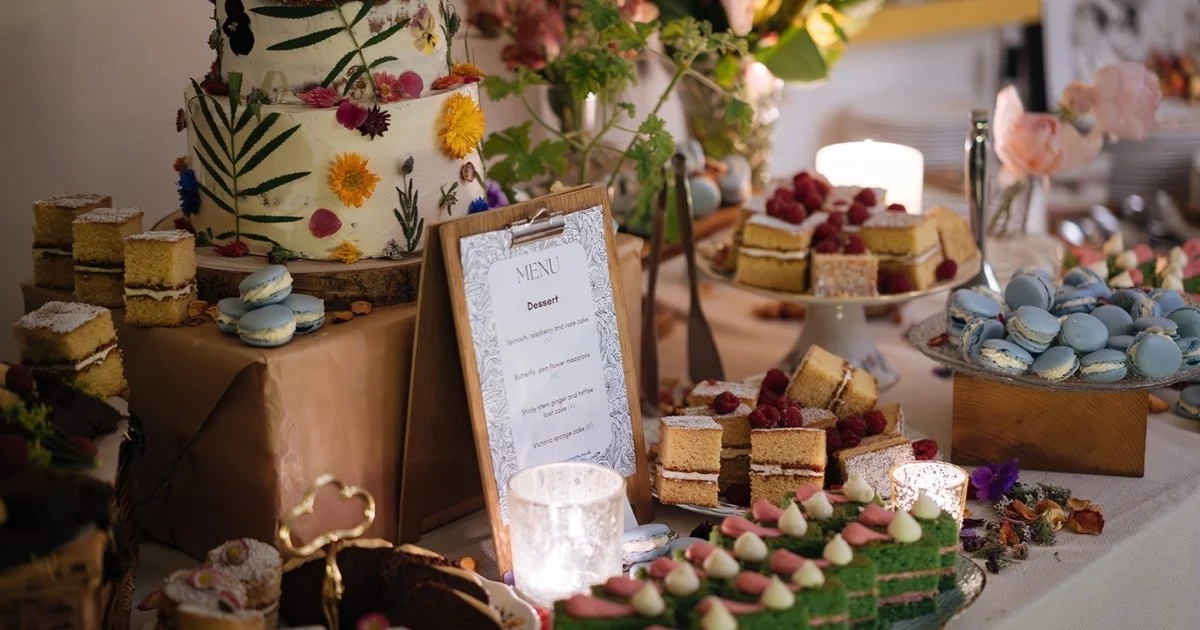
Before You Book Your Wedding Caterer
Before menus are discussed or tastings are booked, there are some essential foundations to put in place.
Confirm your venue logistics early
Every venue operates differently. Understanding kitchen access, power supply, water access, prep space, loading times, supplier restrictions and curfews will directly affect what is possible from a catering perspective. A good caterer will ask these questions early and guide you accordingly.
Have a realistic guest estimate
You do not need exact numbers at this stage, but a sensible estimate helps ensure menus, staffing levels, equipment and timings are all planned appropriately from the outset.
Decide what role food plays in your day
For some couples, food is central to the celebration. For others, it supports the atmosphere without being the main focus. Knowing where you sit on that spectrum helps your caterer design an experience that suits your priorities, rather than forcing a one-size-fits-all approach.
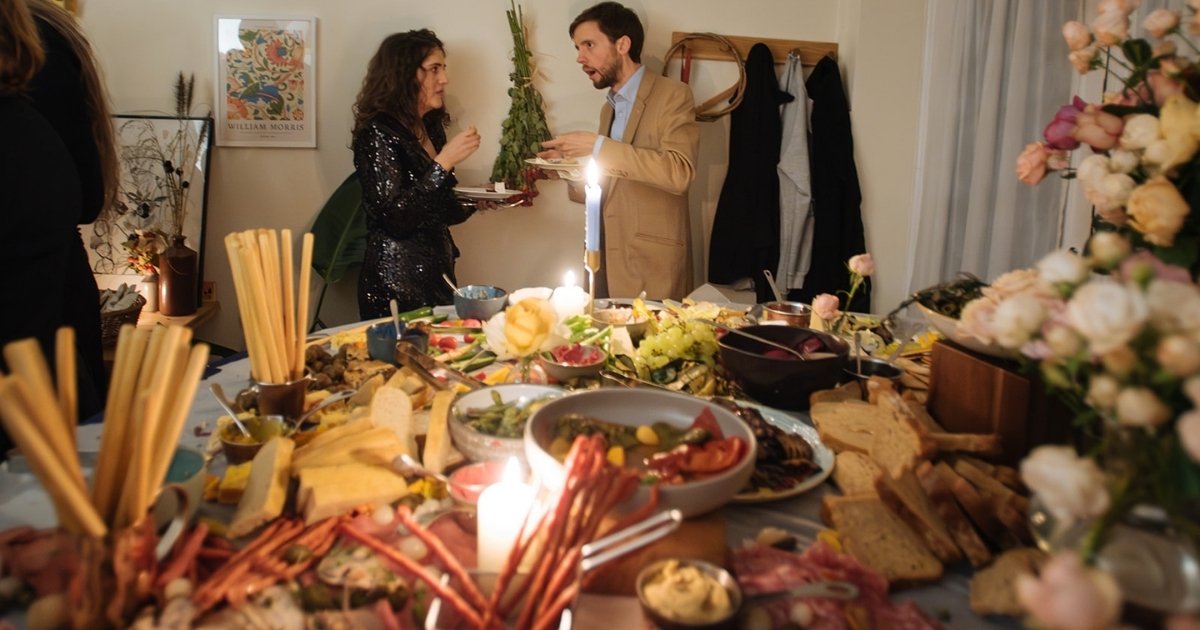
Choosing the Right Catering Style for Your Wedding
The way food is served shapes the rhythm of the entire day.
Canapé receptions after the ceremony
Canapés are ideal while the couple are having their photographs taken. Guests can mingle, enjoy a drink, and stave off hunger before the wedding breakfast, without feeling rushed or overly formal. Well-planned canapé service keeps energy levels up and the atmosphere relaxed.
Plated wedding breakfasts
Fine dining is a classic option for couples who value structure and elegance. Timing, staffing and coordination with speeches are crucial here, and should be carefully planned in advance.
Sharing and family-style feasts
Perfect for creating a warm, generous feel around the table. These menus encourage conversation and connection, but still require careful planning to ensure service remains smooth.
Evening food
Late-night food should feel intentional, not like an afterthought. The best evening options are satisfying, easy to eat, and work seamlessly alongside dancing and drinks.
Your caterer should explain not just how each style looks, but how it functions on the day.
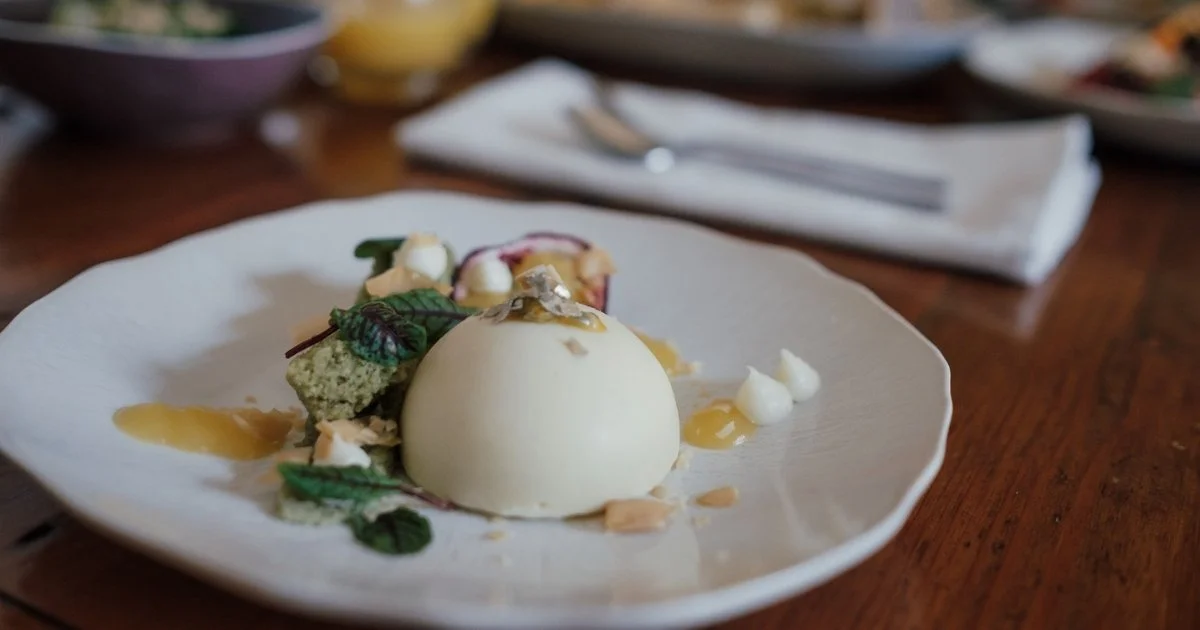
Wedding Menu Planning: The Details That Matter
This is where experience really shows.
Seasonal menu design
Seasonal ingredients deliver better flavour, better texture, and menus that feel naturally suited to the time of year. They also allow your caterer to be flexible and responsive to produce availability.
Dietary requirements and allergies
Dietary needs should be discussed early and confirmed in detail. Vegetarian, vegan, gluten-free and allergy-safe dishes should be designed with the same care as the main menu, not added on at the last minute.
All dietary requirements and allergies should be finalised and confirmed no later than one week before the wedding, allowing your caterer to plan safely, accurately and confidently.
Menu balance and progression
A well-designed wedding menu has flow. Lighter flavours work beautifully earlier in the day, followed by more substantial dishes later on, with evening food offering comfort and indulgence in equal measure.

Your Wedding Menu Tasting
A tasting is about much more than choosing favourite dishes.
Understanding how food translates at scale
Your caterer should explain how dishes are prepared and served for larger numbers, and how presentation and quality are maintained on the day.
Finalising structure and service
This is the time to confirm service style, portion sizes, dietary approach, timings and any personal touches.
Refining rather than reinventing
A good tasting is collaborative. It fine-tunes the menu rather than overwhelming you with endless options.

Staffing, Equipment and On-the-Day Setup
Behind every smooth wedding is a well-organised team.
Front and back of house staffing
Chefs, servers and coordinators all play distinct roles. Adequate staffing ensures service feels effortless and unhurried.
Equipment and hire planning
From crockery and glassware to service stations and kitchen equipment, these details need to be planned early and aligned with your venue’s capabilities.
Who is the on-the-day point of contact?
This should never be the couple. A trusted member of the wedding party, planner, or venue coordinator should be identified in advance so decisions and questions can be handled discreetly, without interrupting your day.
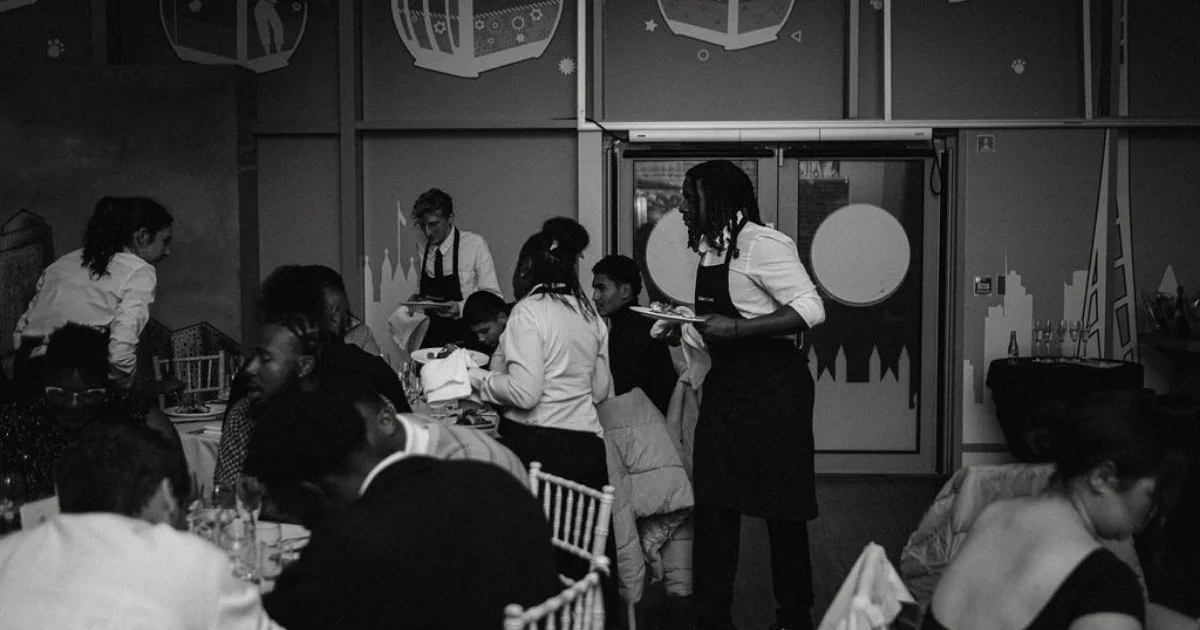
Final Numbers, Timings and Payments
As the wedding approaches, clarity is essential.
Final guest numbers
Final numbers should be confirmed no later than one week before the wedding. This allows your caterer to finalise food quantities, staffing and equipment accurately.
Dietary and allergy confirmations
All dietary requirements and allergies should also be locked in at this point, with clear communication and documentation.
Final invoice and payment
Wedding catering invoices should be settled at least one week before the event, ensuring everything can proceed smoothly and without last-minute administration.
Running order and timing checks
Food service should work around your ceremony, photographs, speeches and evening plans, not compete with them. A final run-through ensures the day flows naturally.
The Final Week Before Your Wedding
At this stage, you should feel reassured, not chased.
A professional wedding caterer will:
Liaise directly with your venue and suppliers
Reconfirm timings, access and logistics
Manage staffing and setup behind the scenes
Handle last-minute adjustments calmly and discreetly
Everything should be in place well before your first guests arrive.
A Final Thought
The best wedding catering never feels stressful. When every detail has been considered in advance, food becomes part of the celebration rather than something to worry about.
This checklist is designed to help you plan with confidence, ask the right questions, and enjoy the experience of bringing your wedding menu together.
If you are in the early stages of planning and would like guidance on timings, menu design and logistics, our wedding catering services page is a helpful place to start.